← BACK TO DOSSIERS LIST
REALISM CASE FILE // TREND: THE BEST CAMERA LENSES PROMPTS FOR AUTHENTIC AI PORTRAITS
Photo-Realism Calibration for Candid Portraits: Building Camera-Grade Human Presence Beyond AI Aesthetics
DATE: 2026-07-25
STATUS: CALIBRATED_REALISM
ENGINE: CHATGPT DALL-E 3
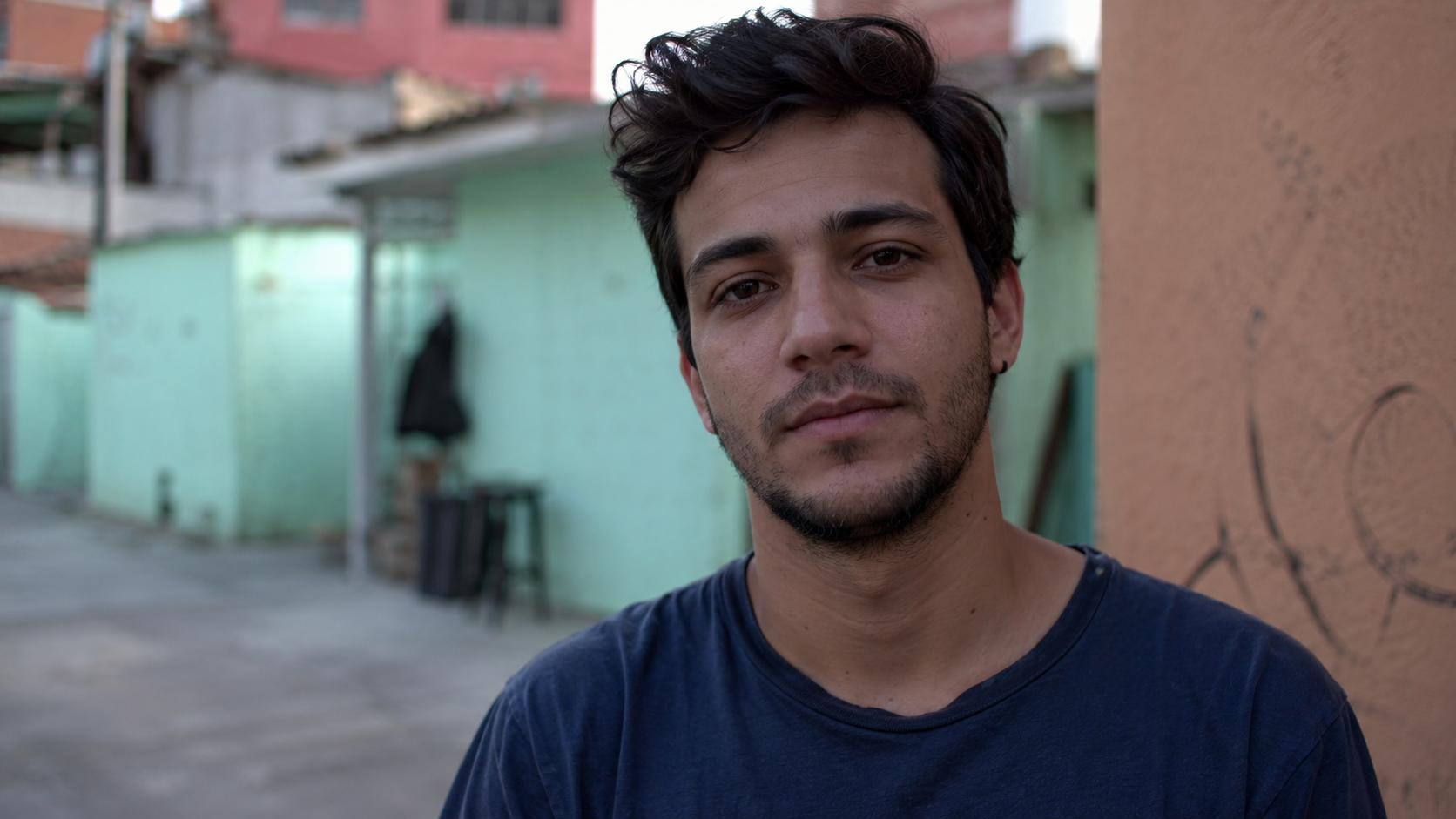
SPECIMEN IMAGE #16:9 - CLEAN OPTICS
Many AI-generated portraits still fall into the same visual trap: perfect skin, symmetrical faces, idealized poses, and generic cinematic lighting. While these ingredients may appear impressive at first glance, they often reduce believability. A candid portrait becomes more convincing when it reflects the inconsistencies of real observation—uneven facial tension, natural posture drift, imperfect focus behavior, and the subtle visual limitations introduced by physical cameras and real-world environments.
The interesting part is that realism is not created by adding more detail. It emerges from how information behaves under physical constraints. In the breakdown below, we analyze the portrait through five layers of reality: Subject, Environment, Physics, Time, and Camera. Yet the deeper calibration mechanism sits elsewhere. The true secret behind camera-grade simulation is often hidden inside language itself, where small vocabulary substitutions radically alter how an image model interprets reality. Those shifts become visible in the calibration console at the end of the dossier.
Lexicon shifts function as realism control points. Replacing terms such as "perfect skin" with descriptions of pore visibility, tonal variation, and uneven reflectivity introduces measurable changes in texture behavior. Replacing "cinematic lighting" with ambient daylight and environmental bounce light changes shadow geometry and exposure relationships. Technical calibration also benefits from realistic lens descriptions, imperfect depth transitions, moderate sensor grain, compression-aware rendering, and observational human behavior. Together, these adjustments move image generation away from aesthetic optimization and toward physical plausibility.
This returns us to the original problem: repetitive AI aesthetics emerge when language defaults to idealized visual shortcuts. By reconstructing portraits through layered realism and calibrated lexicon choices, creators gain finer control over authenticity, identity preservation, and documentary credibility. For those who want a deeper framework, the ALPHA REALISM methodology expands these principles into a complete calibration system. The ALPHA REALISM Guide explores film-style prompt construction, realism metrics, and camera-grade simulation techniques designed for creators who want images that feel genuinely observed rather than artificially perfected.
The 5 Layers of Reality Applied
Subject:
A young adult man in his early twenties with naturally uneven facial proportions, subtle skin texture, slight asymmetry around the eyes and mouth, relaxed expression, ordinary grooming, casual clothing with realistic fabric folds, non-performative posture, and candid body language showing incomplete pose awareness rather than deliberate modeling.
Environment:
An ordinary outdoor or semi-urban setting illuminated by available daylight, with uneven ambient illumination, soft shadow transitions, localized highlight clipping, realistic background clutter, mixed surface reflectance, and naturally occurring visual overlap rather than curated composition.
Physics:
Gravity influences fabric drape and posture balance, subtle airflow causes minor hair displacement and irregular fabric movement, reflective surfaces create uneven bounce light, depth compression emerges from lens behavior, and natural body mechanics produce asymmetrical stance and weight distribution.
Time:
Minor signs of daily wear including slightly faded fabric, small wrinkle accumulation, subtle skin fatigue, humidity-softened texture retention, environmental dust traces, ordinary material aging, and realistic evidence of repeated use rather than pristine presentation.
Camera:
85mm equivalent focal length, shallow depth of field with gradual optical falloff, realistic focus priority on the face, mild edge softness, slight lens imperfections, natural bokeh structure, moderate sensor grain, limited dynamic range retention, subtle compression artifacts, and authentic digital image processing behavior.
The Lexicon Shift Table
| Appearance (Dead Adjective) |
|
Living Event (Cause & Effect) |
| perfect skin |
➔ |
skin texture showing subtle pores, uneven reflectivity, and localized tonal variation under ambient daylight |
| cinematic lighting |
➔ |
available daylight creating soft shadow transitions and uneven environmental bounce light |
| handsome young man |
➔ |
young adult man with specific facial structure, natural asymmetry, and ordinary grooming |
| flawless bokeh |
➔ |
natural background blur with gradual optical falloff and slight depth ambiguity |
| ultra sharp portrait |
➔ |
face-focused detail with realistic edge softness and localized texture loss |
| professional model pose |
➔ |
candid posture with relaxed body mechanics and incomplete pose awareness |
| high-end photography |
➔ |
observational capture with authentic lens behavior and subtle sensor limitations |
| masterpiece portrait |
➔ |
documentary-style human observation grounded in physical and social realism |
Calibration Prompt Console
SUBJECT: A candid portrait of a young adult man with natural facial asymmetry, subtle pore visibility, ordinary grooming, relaxed expression, casual everyday clothing showing realistic wrinkle accumulation and fabric tension, non-performative posture, uneven shoulder alignment, authentic body language, preserving human specificity rather than idealized attractiveness. ENVIRONMENT: Ordinary outdoor or semi-urban background with realistic visual clutter, uncontrolled environmental layering, available daylight, uneven ambient illumination, soft shadows, practical reflectance, observational composition, naturally occurring background overlap. PHYSICS: Gravity-dependent clothing deformation, minor airflow affecting hair strands and garment edges, realistic weight distribution, environmental bounce light, physically plausible depth compression, natural interaction between subject and surroundings. TIME: Slight signs of wear in clothing, subtle skin fatigue, humidity-softened microtexture, realistic material aging, non-pristine presentation, ordinary daily-life authenticity. CAMERA: 85mm equivalent lens, shallow depth of field, gradual background blur transition, realistic optical falloff, slight edge softness, imperfect focus acquisition, natural bokeh rendering, moderate sensor grain, mild compression artifacts, limited dynamic range retention, documentary photographic realism, anti-beautification, anti-editorial aesthetics, observational photography, realism through imperfection --ar 16:9
Do you want to generate precise AI images?
Unlock our alpha realism blueprint, physical reliable framework to get the best of your creations with the ALPHA REALISM Guide.
Download Ebook Now