← BACK TO DOSSIERS LIST
REALISM CASE FILE // TREND: FIXING THE FLAT BACKGROUND RENDERING IN DEFAULT AI PORTRAITS
Photo-Realism Calibration for Natural Portraits: Breaking the Repetitive AI Look
DATE: 2026-07-23
STATUS: CALIBRATED_REALISM
ENGINE: CHATGPT DALL-E 3
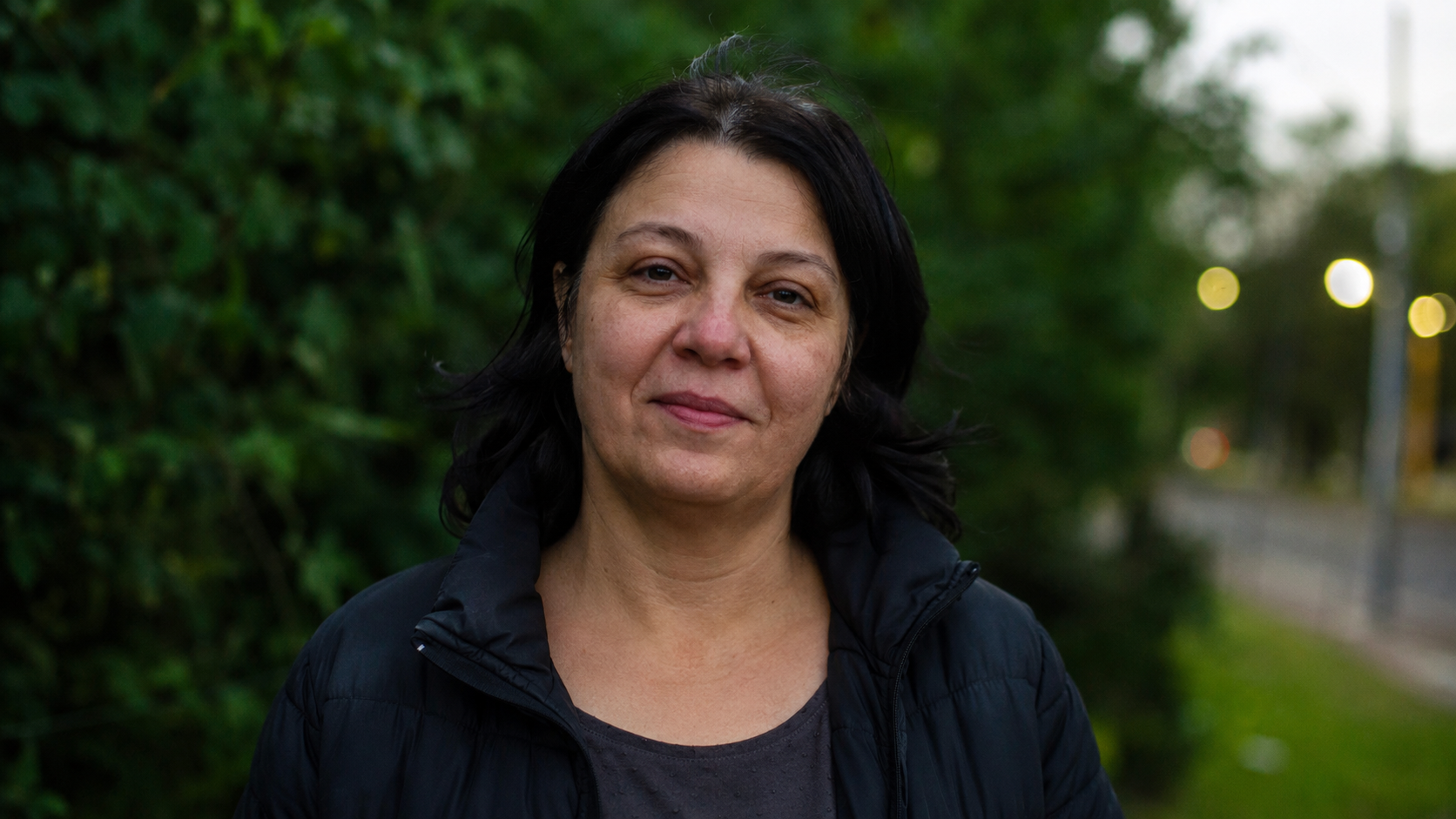
SPECIMEN IMAGE #16:9 - CLEAN OPTICS
Portrait generation has become trapped in a cycle of repetitive visual shortcuts. Default AI outputs often rely on polished skin, exaggerated depth separation, and overly optimized lighting that disconnect images from the behavior of real cameras. While these traits may appear impressive at first glance, they reduce the credibility of the photograph because they remove the imperfections that viewers unconsciously associate with authentic capture.
To understand why some portraits feel believable while others immediately reveal their synthetic origin, we need to examine the physical layers that govern image formation. The details below break down the subject, environment, physics, time, and camera behaviors that contribute to realism. However, the true secret is not hidden in the scene itself. It emerges from language-level calibration choices. The calibration console at the end of the dossier reveals the lexicon shifts that transform generic prompts into camera-grade observational descriptions.
Lexicon shifts operate as realism controls. Replacing terms such as "perfect skin" with descriptions of pore visibility, tonal variation, and localized texture changes alters the statistical behavior of the generated image. Similar changes occur when "cinematic lighting" becomes available ambient illumination with uneven shadow recovery. Technical calibration metrics include asymmetry preservation, environmental entropy retention, optical imperfection density, sensor artifact realism, and texture degradation consistency. Together, these metrics move generation away from aesthetic optimization and toward believable image behavior.
The result is a portrait that feels observed rather than designed. By returning to authentic camera limitations and replacing idealized vocabulary with physically grounded descriptions, creators can escape repetitive AI aesthetics and achieve stronger realism. For a deeper framework covering calibration methodology, lexicon engineering, and film-style image construction, explore ALPHA REALISM. The complete system expands on the principles introduced here and provides a structured workflow for realism-first image generation. Additional resources, calibration references, and advanced realism studies are available through ALPHA REALISM.
The 5 Layers of Reality Applied
Subject:
A specific individual photographed at conversational distance, preserving facial asymmetry, uneven eyelid openness, natural skin texture, subtle pore visibility, minor tonal variation across the face, ordinary grooming, realistic hair strand grouping with occasional flyaways, relaxed expression, slight posture imbalance, non-performative body language, and clothing showing natural wrinkle accumulation and fabric tension.
Environment:
Out-of-focus green foliage occupies the background with irregular blur density rather than uniform bokeh. Distant street lights appear as imperfect luminous circles with slight intensity variation. Ambient outdoor illumination creates uneven facial shadow distribution, subtle highlight clipping, environmental bounce light, and naturally inconsistent luminance zones.
Physics:
Gravity influences fabric draping and posture. Light scatters through foliage and atmosphere before reaching the camera sensor. Minor air movement causes irregular hair displacement. Reflections from nearby surfaces contribute low-intensity fill light. Depth compression and optical falloff create gradual background separation rather than artificial cutout blur.
Time:
Visible signs of real-world presence include slight skin fatigue, minor under-eye variation, natural fabric wear, faint texture softening from humidity, subtle environmental dust accumulation, and realistic material aging rather than pristine presentation.
Camera:
Simulated handheld portrait captured with a consumer-grade camera or smartphone equivalent, approximately 50mm full-frame field of view, shallow but imperfect depth of field, edge softness, mild chromatic aberration, realistic focus acquisition, sensor grain, moderate compression artifacts, limited dynamic range, slight HDR influence, and authentic texture retention without beauty processing.
The Lexicon Shift Table
| Appearance (Dead Adjective) |
|
Living Event (Cause & Effect) |
| perfect skin |
➔ |
skin texture showing subtle pores, localized tonal variation, and natural microcontrast |
| cinematic lighting |
➔ |
available ambient light with uneven illumination and soft environmental bounce |
| flawless portrait |
➔ |
observational portrait preserving ordinary facial asymmetry and expression timing |
| beautiful bokeh |
➔ |
imperfect optical background blur with gradual depth falloff and irregular highlight rendering |
| ultra sharp |
➔ |
realistic focus retention with localized softness and natural lens limitations |
| professional model |
➔ |
specific individual displaying socially believable posture and non-performative presence |
| studio quality |
➔ |
consumer camera capture showing authentic sensor behavior and environmental influence |
Calibration Prompt Console
LAYER 1 — SUBJECT: portrait of a specific individual, natural facial asymmetry, uneven eyelid openness, subtle pore visibility, realistic skin texture, slight under-eye variation, ordinary grooming, natural hair strand grouping with flyaways, relaxed expression, non-performative posture, slight body imbalance, everyday clothing with realistic wrinkle accumulation and fabric tension. LAYER 2 — ENVIRONMENT: blurred green leaves in the background, irregular foliage density, distant street lights rendered as imperfect luminous circles, observational outdoor setting, environmental depth layering, available ambient light, natural shadow variation, uncontrolled illumination. LAYER 3 — PHYSICS: gravity-driven clothing drape, subtle air movement affecting hair, realistic reflections, environmental bounce light, gradual depth compression, physically plausible optical falloff, imperfect highlight behavior. LAYER 4 — TIME: slight facial fatigue, natural skin tonal variation, realistic material wear, humidity-softened texture retention, subtle environmental aging cues, authentic lived-in appearance. LAYER 5 — CAMERA: handheld consumer camera realism, approximately 50mm equivalent field of view, shallow but imperfect depth of field, realistic focus acquisition, mild chromatic aberration, edge softness, slight sensor grain, moderate compression artifacts, limited dynamic range, subtle HDR processing, authentic texture retention, avoid beautification, avoid symmetry correction, avoid cinematic cleanup, prioritize documentary realism and observational fidelity --ar 16:9
Do you want to generate precise AI images?
Unlock our alpha realism blueprint, physical reliable framework to get the best of your creations with the ALPHA REALISM Guide.
Download Ebook Now