← BACK TO DOSSIERS LIST
REALISM CASE FILE // TREND: THE PROBLEM WITH DEFAULT AI MODEL AESTHETICS
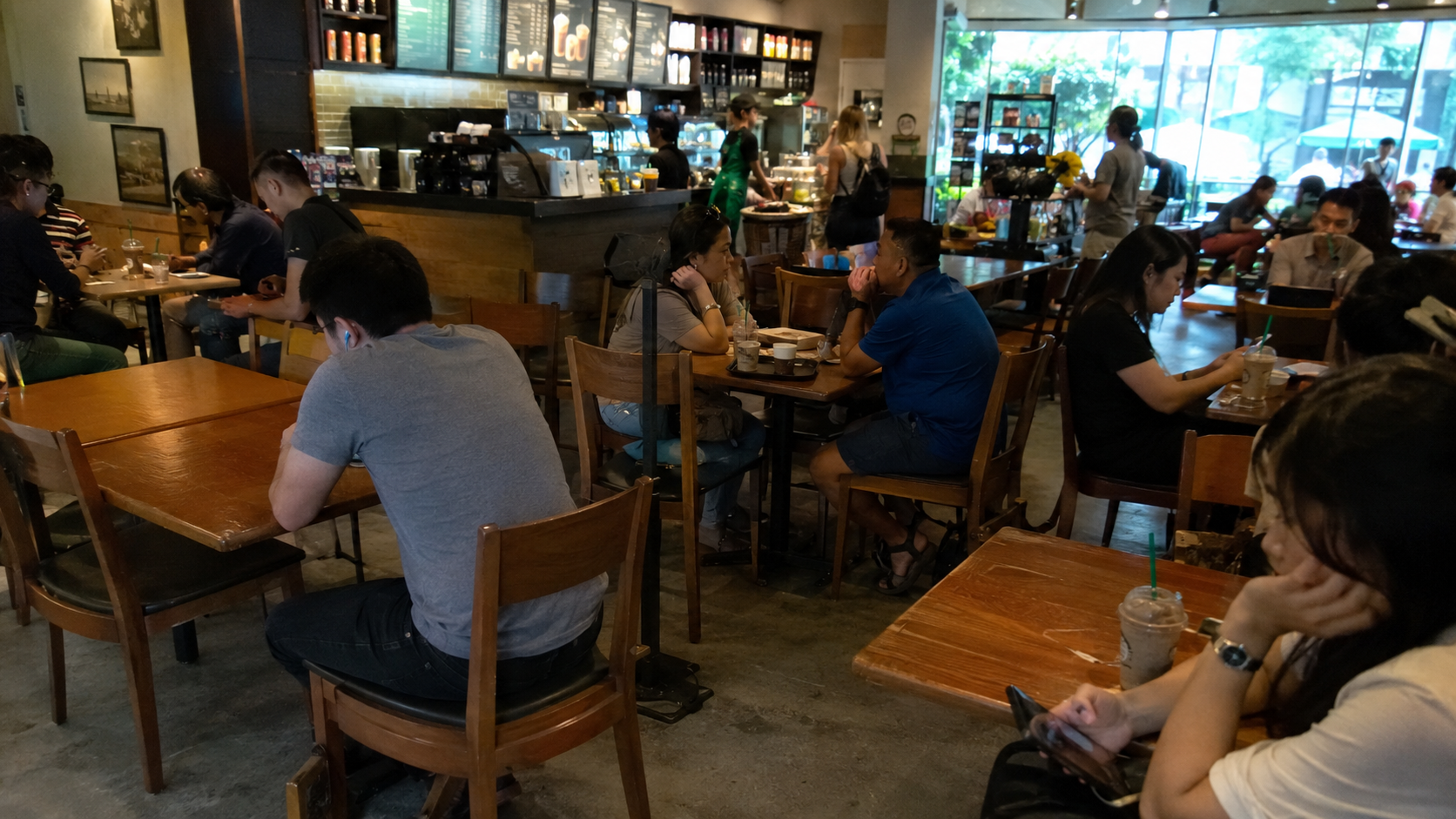
Photo-Realism Calibration: Transforming a Generic Coffee Shop Illustration into a Camera-Grade Observation
DATE: 2026-07-15
STATUS: CALIBRATED_REALISM
ENGINE: CHATGPT DALL-E 3
SPECIMEN IMAGE #16:9 - CLEAN OPTICS
Many AI-generated coffee shop images begin from the same visual template: clean furniture, balanced composition, uniform lighting, and surfaces untouched by use. The result is a repetitive aesthetic that feels recognizable as an image category rather than a photographed place. Real environments accumulate irregularities, practical decisions, and physical history, and those details are often missing from default synthetic outputs.
In this calibration study, we will break down the physical structure that separates a generic coffee shop illustration from a believable camera-grade observation. We will examine environmental behavior, lighting inconsistencies, material wear, and sensor limitations. However, the true secret to mastering camera-grade simulation lies deeper than object descriptions. It emerges from language-level shifts that alter how reality itself is encoded, and those shifts become visible in the calibration console at the end of the dossier.
The lexicon shifts above demonstrate how realism often comes from replacing optimized visual language with observational language. Terms such as "perfect," "cinematic," and "ultra detailed" frequently produce synthetic regularity. Replacing them with descriptions of uneven illumination, material fatigue, practical clutter, optical limitations, and compression artifacts generates more believable information behavior. Calibration metrics therefore focus not only on what exists inside the scene, but also on how light, optics, time, and sensor constraints degrade information.
This returns us to the original problem: default AI aesthetics are often repetitive because they describe categories rather than observations. By learning to calibrate scenes through physical evidence, environmental entropy, and lexical precision, creators can produce images that feel observed instead of manufactured. For a deeper framework on realism extraction, calibration workflows, and film-style prompt engineering, explore ALPHA REALISM. The complete methodology, advanced calibration examples, and realism scoring systems are available through ALPHA REALISM.
The 5 Layers of Reality Applied
Subject:
A candid view of a coffee shop interior with no featured hero subject, showing ordinary customers and staff occupying the space naturally. Body language appears unscripted, with uneven seating posture, fragmented attention, partially obscured faces, casual clothing folds, and socially believable spacing. No individual dominates the frame.
Environment:
Mixed daylight from front windows and practical interior lighting create uneven illumination. Window areas approach highlight clipping while deeper sections of the room retain softer contrast. Furniture placement is irregular, tabletops show minor use marks, and object distribution feels practical rather than curated.
Physics:
Reflections appear on glass surfaces, polished counters, and ceramic cups with varying intensity. Gravity influences chair positioning, hanging fixtures, fabric drape, and object placement. Minor motion softness appears in moving customers. Light bounces unpredictably from walls, wood surfaces, and metallic equipment.
Time:
Subtle wear is visible through scratched chair legs, slight discoloration on high-contact surfaces, softened table edges, dust accumulation in overlooked corners, faded menu materials, and mild material fatigue consistent with daily commercial use.
Camera:
Smartphone documentary capture using a wide-equivalent lens around 26mm. Slight barrel distortion near frame edges, inconsistent sharpness across the image, mild HDR flattening, compressed shadow detail, subtle JPEG artifacts, edge sharpening halos, and moderate sensor grain in darker regions.
The Lexicon Shift Table
| Appearance (Dead Adjective) |
|
Living Event (Cause & Effect) |
| clean generic coffee shop |
➔ |
working coffee shop with uneven object placement, practical wear, and ordinary commercial clutter |
| perfect interior design |
➔ |
functional furniture arrangement shaped by daily customer use |
| cinematic lighting |
➔ |
mixed daylight and practical fixtures producing uneven exposure zones |
| ultra detailed textures |
➔ |
selective texture retention with compression-softened surfaces and inconsistent microcontrast |
| flawless composition |
➔ |
slightly awkward observational framing with imperfect visual hierarchy |
| pristine surfaces |
➔ |
minor scratches, material fatigue, and accumulated signs of routine use |
| hyper realistic render |
➔ |
documentary-style smartphone capture with optical and sensor limitations |
| empty aesthetic space |
➔ |
socially believable environment with fragmented activity and environmental entropy |
Calibration Prompt Console
SUBJECT LAYER: candid observational photograph of a working coffee shop interior, ordinary customers seated naturally, staff moving between tables, unscripted body language, uneven posture, fragmented attention, casual clothing deformation, no hero subject, socially believable spacing. ENVIRONMENT LAYER: practical commercial interior, mixed daylight through front windows and warm interior fixtures, irregular furniture arrangement, cups, trays, menu boards, practical object placement, mild environmental clutter, non-curated atmosphere, realistic commercial wear. PHYSICS LAYER: natural reflections on glass and polished surfaces, gravity-driven object placement, subtle movement softness from customers, environmental bounce light, imperfect shadow recovery, realistic highlight clipping near windows, physically plausible material response. TIME LAYER: scratched chair legs, softened table edges, faded printed materials, dust accumulation in neglected areas, worn floor traffic patterns, subtle material aging, evidence of repeated daily use. CAMERA LAYER: smartphone documentary capture, 26mm equivalent lens, slight barrel distortion, edge softness, inconsistent focus retention, mild HDR flattening, compressed shadow detail, JPEG artifacts, low-end sensor grain, imperfect dynamic range, observational photography, non-cinematic optics, realistic digital imperfections --ar 16:9
Do you want to generate precise AI images?
Unlock our alpha realism blueprint, physical reliable framework to get the best of your creations with the ALPHA REALISM Guide.
Download Ebook Now