← BACK TO DOSSIERS LIST
REALISM CASE FILE // TREND: FREE PROMPT CALIBRATION SAMPLE: THE LEICA 50MM F/1.4 SETUP
Camera-Grade Close-Up Portrait Realism: A Film-Style Calibration Through the Five Layers of Reality
DATE: 2026-07-05
STATUS: CALIBRATED_REALISM
ENGINE: CHATGPT DALL-E 3
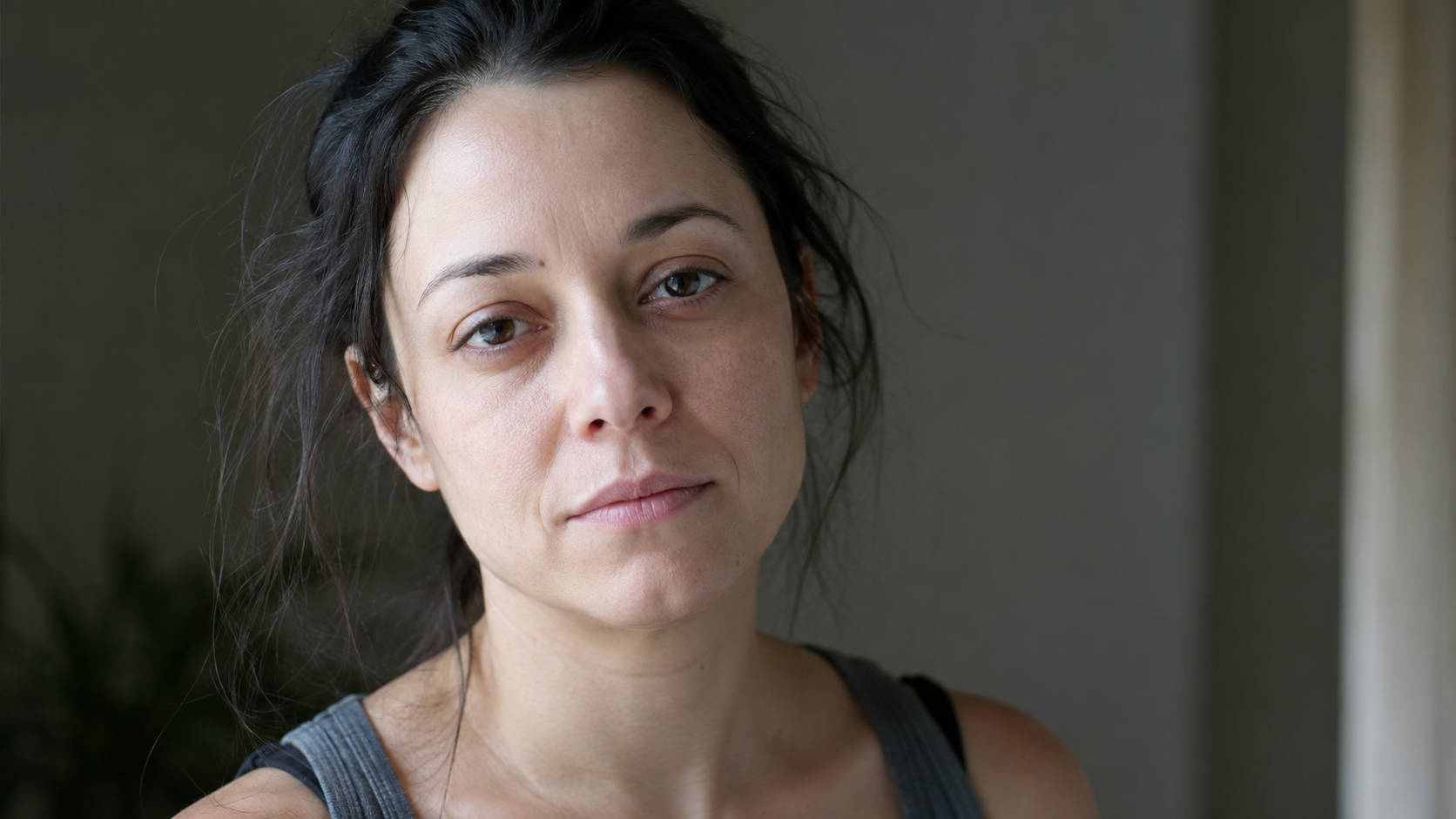
SPECIMEN IMAGE #16:9 - CLEAN OPTICS
Artificial intelligence often defaults to repeating polished portrait aesthetics: flawless skin, symmetrical lighting, exaggerated sharpness, and generic beauty cues. While these outputs may appear visually impressive at first glance, they rarely resemble the optical and biological behavior found in real camera captures. Camera-grade realism begins by observing physical imperfections instead of removing them.
In the sections above, we broke the scene into the five layers of reality—Subject, Environment, Physics, Time, and Camera—to isolate where authenticity is gained or lost. Yet the deeper transformation does not happen only through descriptive detail. The true turning point comes from language-level substitutions revealed in the calibration console, where subtle lexicon shifts fundamentally change how an image model interprets realism.
Replacing phrases such as "perfect skin" with physically observable descriptions like "skin texture showing subtle pores under window light" shifts the model from idealization toward measurement. Similar substitutions applied to lighting, optics, facial structure, and sensor behavior consistently improve realism because they describe observable phenomena instead of aesthetic intentions. These lexical calibrations function as film-style controls that encourage physically plausible rendering rather than stylistic imitation.
Realistic portraits are built by respecting how light, optics, biology, and imaging systems behave together, not by maximizing detail or beauty. If you want to expand this calibration workflow into a complete methodology, explore the ALPHA REALISM framework and continue developing physically grounded prompting with the ALPHA REALISM Guide.
The 5 Layers of Reality Applied
Subject:
A close-up portrait of an ordinary person with a naturally proportioned face, subtle facial asymmetry, visible skin texture, fine pores, faint tonal variation, realistic lip texture, individually grouped hair strands, relaxed expression, neutral posture, and authentic eye contact without cosmetic perfection or artificial beautification.
Environment:
Soft daylight entering through a nearby window creates uneven facial illumination, gentle highlight rolloff across the forehead and cheeks, gradual shadow transitions beneath the nose and jawline, realistic ambient bounce from surrounding walls, and an unobtrusive background with natural optical falloff rather than synthetic blur.
Physics:
Light reflects differently across slightly oily and matte skin regions, gravity subtly affects facial muscles and loose hair strands, tiny specular highlights follow the skin's microgeometry, and natural depth separation emerges from lens optics instead of artificial segmentation.
Time:
Minor skin fatigue, faint under-eye variation, subtle pores, tiny expression lines, naturally worn lips, slight color inconsistencies, and realistic biological texture remain visible without digital cleanup or cosmetic reconstruction.
Camera:
Simulated full-frame 85mm portrait lens at approximately f/2.2, natural optical falloff, realistic focus transition, subtle lens softness near the frame edges, accurate highlight rolloff, restrained sensor grain, moderate dynamic range, minimal computational sharpening, and authentic color response without excessive HDR processing.
The Lexicon Shift Table
| Appearance (Dead Adjective) |
|
Living Event (Cause & Effect) |
| perfect skin |
➔ |
skin texture showing subtle pores under window light |
| cinematic lighting |
➔ |
scattered ambient daylight producing gentle, uneven shadow transitions |
| flawless portrait |
➔ |
close-up portrait preserving natural facial asymmetry and authentic expression |
| hyper detailed face |
➔ |
realistic facial microcontrast with localized texture variation |
| studio background blur |
➔ |
natural optical background falloff produced by lens depth characteristics |
| ultra sharp image |
➔ |
selective focal sharpness with gradual edge softness |
| perfect complexion |
➔ |
subtle tonal variation, fine pores, and ordinary skin imperfections |
| professional beauty lighting |
➔ |
available window light with realistic highlight clipping and ambient bounce |
Calibration Prompt Console
Five-Layer Camera-Grade Realism Calibration — Subject: close-up portrait of an ordinary person with realistic facial proportions, subtle asymmetry, naturally visible pores, fine skin texture, relaxed expression, authentic eye contact, individual hair strand grouping, ordinary grooming, no beautification, no cosmetic cleanup. Environment: available daylight entering through a nearby window, uneven illumination, soft shadow transitions, realistic ambient bounce, uncluttered interior background with natural optical falloff, physically plausible depth separation. Physics: accurate skin reflectance variation, gravity affecting facial muscles and loose hair strands, subtle specular highlights following skin microgeometry, physically correct light interaction, realistic depth behavior without artificial segmentation. Time: faint under-eye fatigue, subtle expression lines, minor tonal inconsistency, naturally worn lips, realistic biological texture, no artificial restoration. Camera: simulated full-frame 85mm lens, approximately f/2.2, natural focus acquisition, realistic lens softness toward the edges, restrained sensor grain, moderate dynamic range, gentle highlight rolloff, minimal computational sharpening, authentic color science, documentary realism, observational photography, non-editorial rendering --ar 16:9
Do you want to generate precise AI images?
Unlock our alpha realism blueprint, physical reliable framework to get the best of your creations with the ALPHA REALISM Guide.
Download Ebook Now