← BACK TO DOSSIERS LIST
REALISM CASE FILE // TREND: PROMPTING SKIN TEXTURE: HOW TO SHOW PORES AND NATURAL WRINKLES
Photo-Realism Calibration: Capturing Authentic Age, Wrinkles, and Human Presence in Close-Up Portrait Photography
DATE: 2026-07-16
STATUS: CALIBRATED_REALISM
ENGINE: CHATGPT DALL-E 3
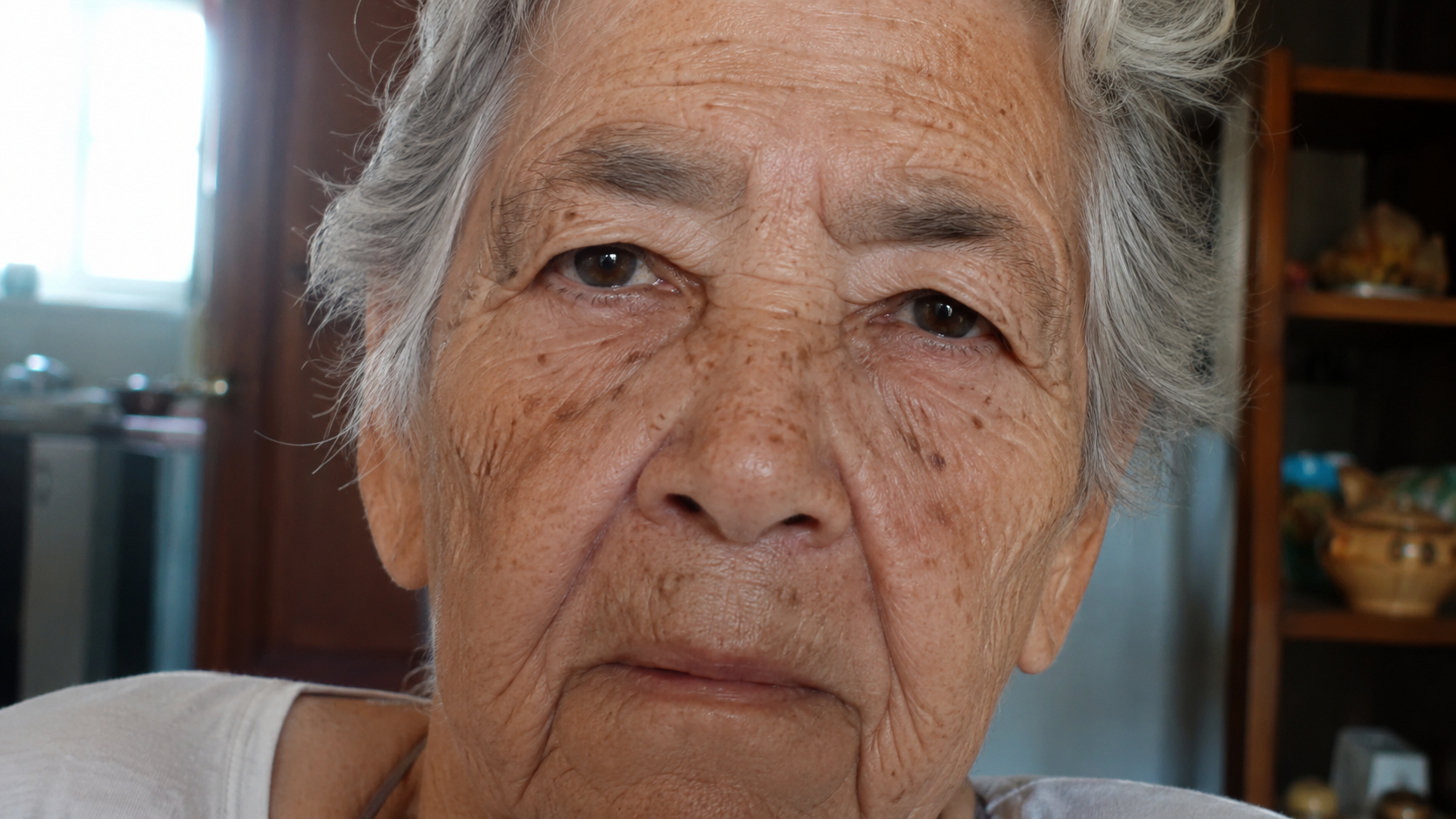
SPECIMEN IMAGE #16:9 - CLEAN OPTICS
Many AI-generated portraits fall into the same visual trap: smooth skin, symmetrical faces, and generic cinematic lighting. While these conventions may appear attractive at first glance, they erase the physical evidence that makes a person feel real. In elderly portraiture, authenticity emerges not from perfection but from the accumulated marks of time—laugh lines, deep wrinkles, uneven texture, and subtle asymmetries that communicate lived experience.
In the analysis below, we will break down the portrait through five layers of reality: Subject, Environment, Physics, Time, and Camera. Each layer contributes measurable realism signals. Yet the deeper calibration principle is often overlooked. The true secret behind camera-grade simulation is not merely adding detail—it is changing the language used to describe reality. Those language-level transformations become visible in the calibration console through lexicon shifts.
Lexicon shifts replace idealized visual vocabulary with physically observable behavior. Terms such as "perfect skin" are converted into descriptions of pore visibility, age-related texture, and uneven tonal response. Likewise, "cinematic lighting" becomes uncontrolled ambient illumination with practical light spill and realistic exposure imbalance. These shifts align prompts with documentary observation rather than aesthetic optimization. Calibration metrics focus on wrinkle retention, facial asymmetry preservation, microshadow integrity, optical limitations, sensor behavior, and realistic texture loss patterns rather than synthetic sharpness.
By returning to the physical truth of the subject, we avoid the repetitive AI aesthetic that dominates much of today's generated imagery. Realism grows from observation, not enhancement. For creators seeking a deeper framework for realism calibration, identity preservation, and documentary image construction, the ALPHA REALISM methodology provides a structured approach. Explore the full system through ALPHA REALISM and learn how language, optics, environment, and human imperfection combine to create more believable visual outcomes.
The 5 Layers of Reality Applied
Subject:
Close-up portrait of an elderly person with visible laugh lines, deep wrinkles, uneven skin texture, age spots, subtle facial asymmetry, natural expression, relaxed facial muscles, slight variation in eyelid openness, realistic pore visibility, ordinary grooming, and authentic signs of aging without cosmetic correction.
Environment:
Available room light from a nearby window and practical interior sources creates uneven illumination across the face, soft shadow transitions, localized highlight clipping on the forehead and cheeks, subtle wall bounce light, mixed color temperatures, and a lived-in indoor atmosphere with realistic luminance variation.
Physics:
Gravity influences facial tissue, skin folds, and wrinkle depth; natural reflections appear in the eyes and skin oils; fabric and hair remain largely static indoors; light scatters across textured skin surfaces producing irregular microshadows within wrinkles and facial contours.
Time:
Decades of aging are visible through deep expression lines, skin texture variation, uneven pigmentation, slight facial fatigue, weathered skin structure, accumulated wrinkle patterns around the eyes and mouth, and subtle signs of long-term environmental exposure.
Camera:
Documentary-style close-up captured with a smartphone or modest digital camera, slight sensor grain, weak microcontrast, realistic skin-detail retention, mild compression artifacts, edge softness, imperfect focus acquisition, limited dynamic range, subtle chroma noise in shadows, and non-stylized optical behavior.
The Lexicon Shift Table
| Appearance (Dead Adjective) |
|
Living Event (Cause & Effect) |
| perfect skin |
➔ |
skin texture showing subtle pores, age spots, and uneven tonal variation under available room light |
| cinematic lighting |
➔ |
uncontrolled indoor illumination from practical room lights and window spill |
| flawless portrait |
➔ |
close observational portrait preserving facial asymmetry and age-related texture |
| youthful appearance |
➔ |
visible lifetime wear expressed through wrinkles, laugh lines, and skin fatigue |
| ultra sharp details |
➔ |
realistic texture retention with localized softness and natural optical limitations |
| beauty photography |
➔ |
documentary portrait emphasizing identity preservation over enhancement |
Calibration Prompt Console
SUBJECT: Close-up portrait of an elderly person, visible laugh lines, deep wrinkles around the eyes and mouth, uneven skin texture, age spots, realistic facial asymmetry, natural expression, ordinary grooming, preserved skin irregularities, authentic human identity, no beautification. ENVIRONMENT: Indoor domestic setting under available room light, window spill mixed with practical interior lighting, uneven illumination across the face, soft shadow transitions, lived-in atmosphere, realistic exposure imbalance. PHYSICS: Gravity-defined skin folds, natural eye reflections, subtle skin oil highlights, microshadow formation inside wrinkles, physically plausible facial structure, realistic interaction between light and aged skin. TIME: Decades of aging visible through wrinkle depth, pigmentation variation, facial fatigue, weathered skin texture, accumulated expression patterns, natural signs of long-term life experience. CAMERA: Documentary photography, smartphone or modest digital camera realism, slight sensor grain, weak microcontrast, mild compression artifacts, edge softness, imperfect focus acquisition, realistic dynamic range limitations, subtle chroma noise, non-cinematic optics, observational authenticity, prioritize realism over beauty, preserve natural imperfections --ar 16:9
Do you want to generate precise AI images?
Unlock our alpha realism blueprint, physical reliable framework to get the best of your creations with the ALPHA REALISM Guide.
Download Ebook Now