← BACK TO DOSSIERS LIST
REALISM CASE FILE // TREND: WHY DEFAULT DALL-E 3 PORTRAITS LACK SOUL
Photo-Realism Calibration for Neutral Portrait Photography: Breaking the Repetition of AI Face Generation
DATE: 2026-07-14
STATUS: CALIBRATED_REALISM
ENGINE: CHATGPT DALL-E 3
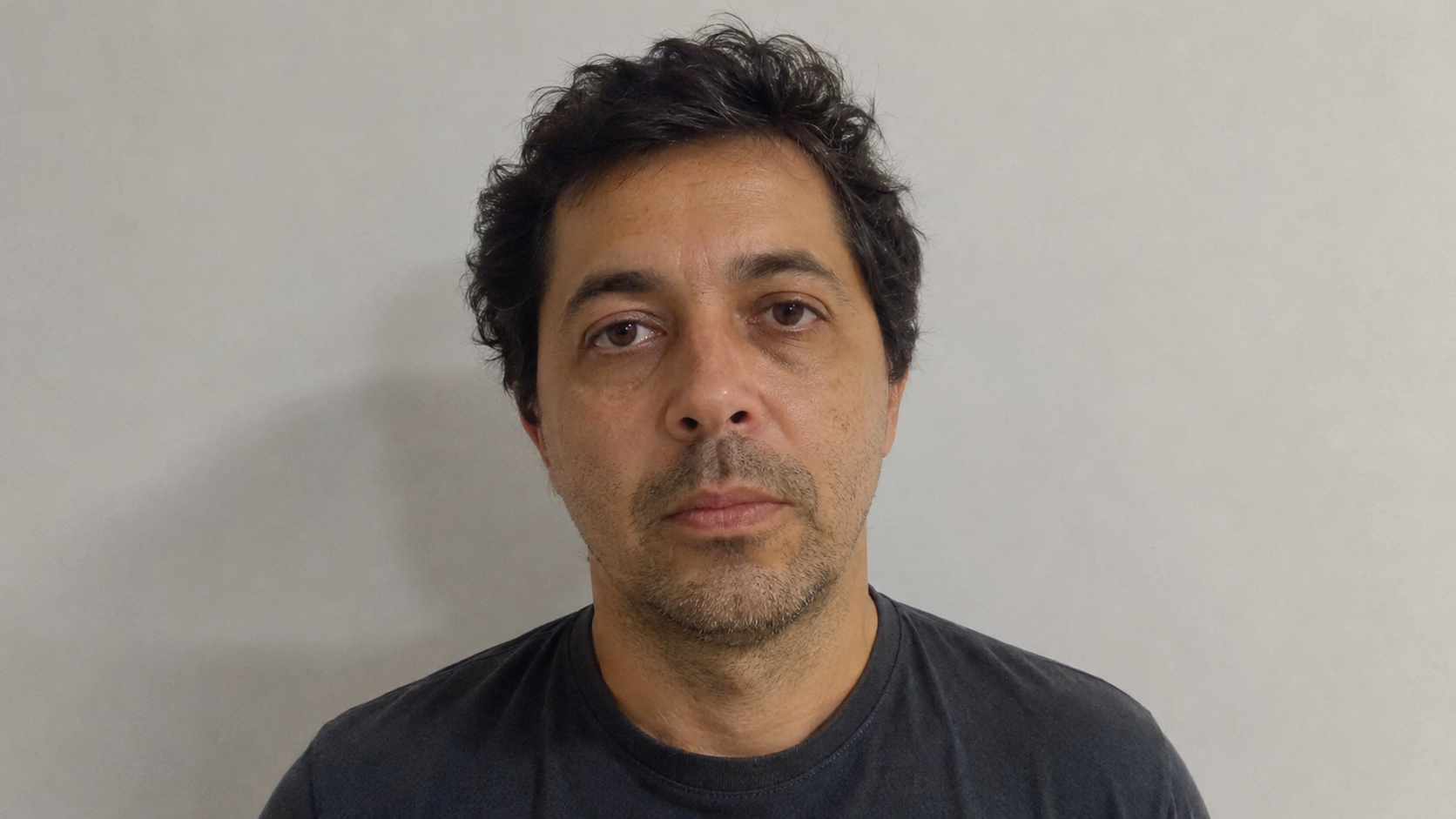
SPECIMEN IMAGE #16:9 - CLEAN OPTICS
The default visual language of many AI-generated portraits remains trapped in repetition. Faces become symmetrical, skin becomes sterile, lighting becomes cinematic by default, and individuality is gradually replaced by generic attractiveness. A simple portrait of a person looking straight ahead against a neutral background may appear straightforward, but it exposes many of the shortcuts that synthetic image systems use when realism is not carefully calibrated.
This is where photo-realism becomes useful. Instead of adding more detail, we examine how reality behaves across multiple layers: subject structure, environment, physics, time, and camera behavior. In the sections below, these physical signals reveal why believable portraits often contain imperfections that many generators attempt to remove. However, the deeper mechanism sits at the language level. The calibration console and lexicon-shift table demonstrate how small wording changes can radically alter realism outcomes without changing the scene itself.
The lexicon shift process replaces abstract aesthetic language with observable physical evidence. Terms such as "perfect skin" are converted into descriptions of pores, reflectivity variation, and uneven texture retention. "Cinematic lighting" becomes measurable illumination behavior involving ambient light distribution and shadow transitions. Technical calibration also considers facial asymmetry, exposure rolloff, sensor limitations, optical softness, compression artifacts, and realistic human variation. These metrics collectively move image generation away from idealization and closer to documentary plausibility.
Returning to the original portrait example, the goal is not to make the image prettier but to make it behave more like a photograph created by a real camera observing a real person. That distinction is the foundation of advanced realism workflows. For creators seeking deeper calibration frameworks, film-style prompt engineering methods, and systematic realism modeling, the ALPHA REALISM methodology provides a structured approach. The complete ALPHA REALISM Guide expands these principles into a full operational system for camera-grade image simulation and realism-focused prompt design.
The 5 Layers of Reality Applied
Subject:
An ordinary adult person facing the camera directly with a neutral expression, natural facial asymmetry, uneven eyelid openness, subtle skin texture variation, visible pore inconsistency, minor under-eye darkness, realistic lip tension, natural hair irregularities, non-performative posture, relaxed shoulders, socially believable appearance, no beauty enhancement, no symmetry correction, no editorial styling.
Environment:
Plain neutral background with minimal visual hierarchy, flat ambient illumination, soft shadow transitions, weak directional cues, slight luminance variation across the backdrop, practical indoor lighting behavior, controlled but imperfect exposure distribution, realistic highlight clipping on brighter skin regions, observational studio-like simplicity without commercial polish.
Physics:
Gravity affecting posture and clothing naturally, subtle fabric folds accumulating around shoulders and torso, realistic skin reflectivity differences across facial regions, minor hair displacement from ambient air movement, physically plausible shadow falloff, natural light scattering across facial contours without dramatic contrast.
Time:
Mild signs of everyday wear, realistic skin fatigue, slight texture inconsistency, subtle discoloration variation, ordinary grooming imperfections, fabric showing light use rather than pristine condition, small signs of lived experience without exaggerated aging, naturally accumulated visual imperfections.
Camera:
Documentary-style portrait captured with a mid-range smartphone or consumer camera, 50mm equivalent field of view, moderate depth retention, slight edge softness, mild compression artifacts, realistic sensor grain, weak microcontrast, subtle HDR flattening, natural tonal rolloff, imperfect focus acquisition, no artificial sharpening, authentic digital image behavior.
The Lexicon Shift Table
| Appearance (Dead Adjective) |
|
Living Event (Cause & Effect) |
| perfect skin |
➔ |
skin texture showing subtle pores, uneven reflectivity, and localized tonal variation |
| cinematic lighting |
➔ |
flat ambient illumination with soft shadow transitions and limited directional contrast |
| flawless face |
➔ |
natural facial asymmetry with realistic muscle tension and uneven eyelid openness |
| professional portrait |
➔ |
observational portrait captured with ordinary photographic behavior |
| ultra sharp details |
➔ |
realistic detail retention with mild optical softness and sensor limitations |
| studio perfection |
➔ |
neutral background with practical lighting inconsistencies and natural exposure behavior |
| model appearance |
➔ |
socially believable individual with ordinary grooming and authentic identity cues |
| high-end camera quality |
➔ |
consumer-camera rendering with subtle compression, grain, and imperfect microcontrast |
Calibration Prompt Console
SUBJECT: ordinary adult person looking directly into the camera, neutral expression, realistic facial asymmetry, subtle under-eye darkness, uneven pore visibility, natural hair irregularities, socially believable appearance, relaxed shoulders, non-performative posture, no beauty enhancement, no symmetry correction. ENVIRONMENT: plain neutral background, minimal visual hierarchy, flat ambient lighting, soft shadow transitions, practical indoor illumination, realistic exposure distribution, observational portrait behavior. PHYSICS: gravity-dependent posture, natural fabric folds, subtle skin reflectivity variation, realistic shadow falloff, physically plausible light scattering, minor hair displacement. TIME: mild signs of everyday wear, realistic skin fatigue, ordinary grooming imperfections, slight texture inconsistency, naturally accumulated visual imperfections, authentic human presence. CAMERA: documentary portrait photography, consumer camera or smartphone realism, 50mm equivalent perspective, slight edge softness, realistic sensor grain, weak microcontrast, subtle HDR flattening, mild compression artifacts, imperfect focus acquisition, natural tonal rolloff, anti-beautification, anti-editorial rendering, realism through imperfection --ar 16:9
Do you want to generate precise AI images?
Unlock our alpha realism blueprint, physical reliable framework to get the best of your creations with the ALPHA REALISM Guide.
Download Ebook Now