← BACK TO DOSSIERS LIST
REALISM CASE FILE // TREND: BYPASSING THE ARTIFICIAL SHARPNESS OF DEFAULT AI CAMERAS
Photo-Realism Calibration for Street Photography: Natural Depth of Field and Authentic Optical Falloff
DATE: 2026-07-24
STATUS: CALIBRATED_REALISM
ENGINE: CHATGPT DALL-E 3
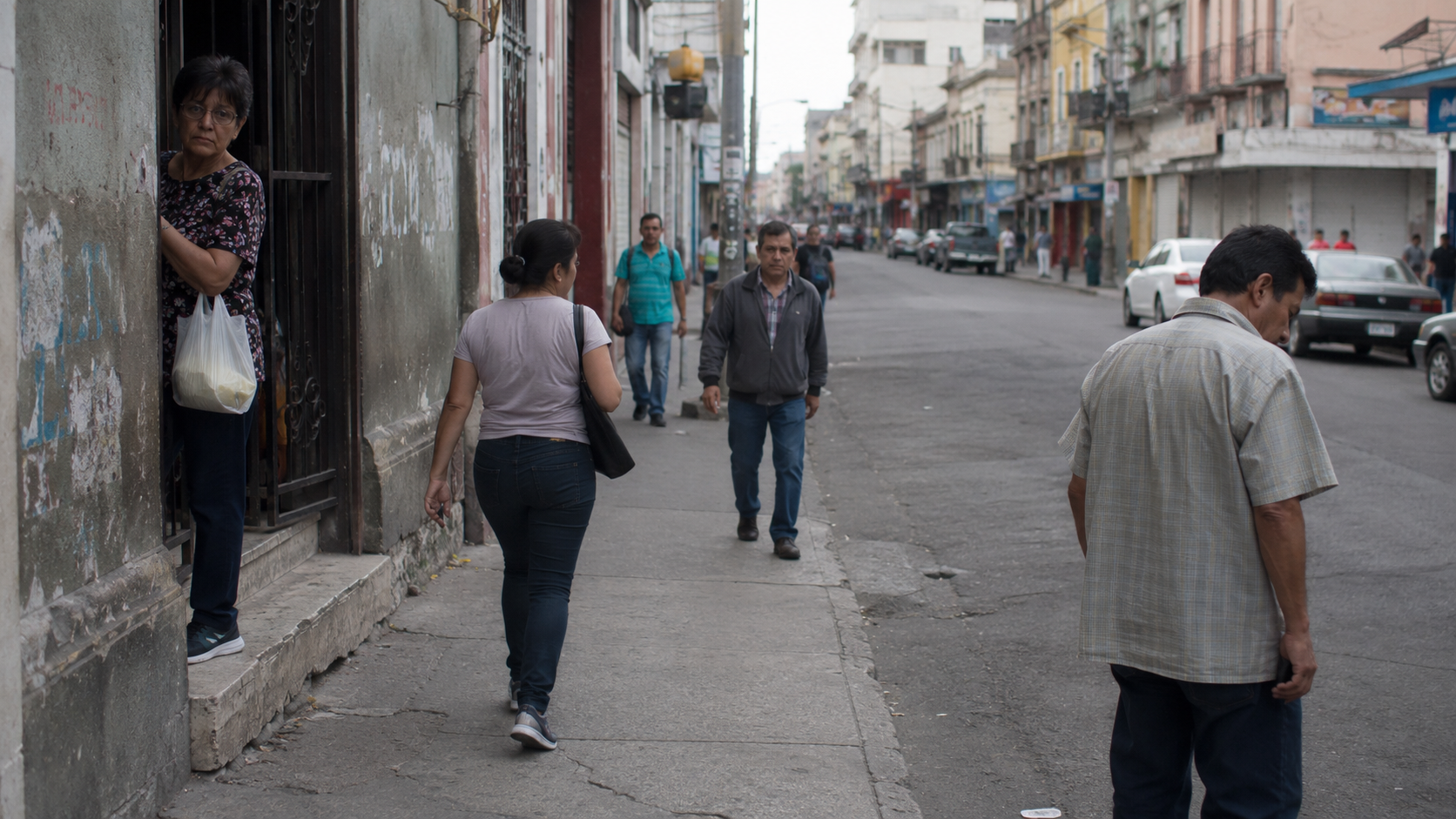
SPECIMEN IMAGE #16:9 - CLEAN OPTICS
Street photography is often reduced by image-generation systems to a predictable set of visual clichés: exaggerated background blur, flawless lighting, perfectly coordinated subjects, and sterile environments. Real camera-grade imagery behaves differently. Authentic street scenes contain uncontrolled human movement, uneven attention, environmental clutter, weathered materials, and optical limitations that create subtle imperfections throughout the frame.
In this calibration dossier, we will break down the physical structure of a realistic street photograph layer by layer. However, the most important factor is not the camera model, lens specification, or rendering engine. The true leverage comes from language itself. The calibration console at the end reveals how specific lexicon substitutions alter the probability of synthetic aesthetics and move the output toward physically plausible photographic behavior.
The lexicon shift process replaces idealized visual instructions with observable photographic phenomena. Terms such as "perfect skin," "cinematic lighting," and "ultra sharp details" encourage aesthetic optimization. Replacing them with descriptions of uneven skin texture, ambient daylight scattering, focal inconsistency, environmental wear, and optical falloff produces more realistic image behavior. Technical calibration metrics should prioritize natural depth transitions, edge softness, environmental entropy, human asymmetry, and realistic sensor limitations rather than aesthetic perfection.
The result is a street scene that behaves more like a photograph and less like a digital illustration. By understanding how realism emerges from physical constraints rather than visual enhancement, creators can produce stronger documentary outputs. For a deeper framework covering calibration workflows, realism diagnostics, and advanced lexicon engineering, explore ALPHA REALISM. The complete methodology is expanded further inside the ALPHA REALISM Guide, designed for creators seeking camera-grade authenticity instead of default AI aesthetics.
The 5 Layers of Reality Applied
Subject:
An ordinary urban street scene with pedestrians moving at different speeds, uneven body posture, non-synchronized gestures, varied clothing wear, practical footwear, casual expressions, and naturally occurring human asymmetry. No subject is posed for the camera, and attention is fragmented across different activities.
Environment:
Available daylight filtered through surrounding buildings, uneven illumination across the frame, soft shadow transitions on pavement, localized highlight clipping on reflective surfaces, mixed luminance zones, weathered storefronts, worn signage, urban clutter, layered background activity, and realistic visual density.
Physics:
Gravity affects clothing folds and posture, light reflects from windows and vehicles with imperfect intensity, subtle wind influences loose garments and hair strands, atmospheric diffusion softens distant objects, and depth compression emerges naturally from lens behavior rather than artificial blur.
Time:
Accumulated dust on street furniture, worn paint, faded signage, surface scratches, irregular pavement aging, fabric fatigue in clothing, minor dirt accumulation, weather exposure marks, and subtle indications of long-term urban use without maintenance perfection.
Camera:
Documentary-style capture using a full-frame camera with a 50mm lens, natural depth-of-field behavior, gradual edge softness, realistic focal falloff toward frame boundaries, slight optical imperfections, mild sensor grain, preserved texture variation, moderate dynamic range, and authentic lens rendering without computational blur effects.
The Lexicon Shift Table
| Appearance (Dead Adjective) |
|
Living Event (Cause & Effect) |
| perfect skin |
➔ |
skin texture showing subtle pores and uneven tonal variation under ambient daylight |
| cinematic lighting |
➔ |
scattered ambient sunlight creating naturally inconsistent shadow distribution |
| ultra sharp details |
➔ |
localized sharpness with realistic optical falloff toward the edges |
| flawless composition |
➔ |
observational framing with minor spatial imbalance and accidental overlap |
| perfect bokeh |
➔ |
gradual depth transition with natural optical softness and layered background separation |
| pristine street |
➔ |
weathered urban environment with accumulated visual entropy and surface wear |
| professional model posture |
➔ |
ordinary human positioning with subtle asymmetry and candid body mechanics |
| hyper realistic rendering |
➔ |
physically plausible photographic behavior constrained by optics and sensor limitations |
Calibration Prompt Console
SUBJECT LAYER: ordinary urban street scene with pedestrians displaying candid body language, uneven posture, fragmented attention, natural facial expressions, realistic clothing wear, practical footwear, socially believable spacing, documentary human behavior. ENVIRONMENT LAYER: weathered storefronts, faded signage, worn pavement, urban clutter, layered background activity, mixed architectural textures, available daylight, uneven exposure distribution, natural shadow variation, authentic city atmosphere. PHYSICS LAYER: gravity-driven clothing folds, subtle wind interaction with loose fabric and hair, reflections on windows and vehicles, atmospheric diffusion softening distant details, realistic depth compression, physically plausible environmental interactions. TIME LAYER: faded materials, chipped paint, accumulated dust, surface scratches, environmental fatigue, fabric aging, worn textures, subtle maintenance neglect, realistic signs of long-term use. CAMERA LAYER: full-frame camera, 50mm lens, natural depth of field, gradual focal falloff, edge softness, slight optical imperfections, realistic lens rendering, mild sensor grain, authentic dynamic range, documentary photography, observational capture, no artificial bokeh, no beautification, no cinematic grading, natural color response, aspect ratio --ar 16:9
Do you want to generate precise AI images?
Unlock our alpha realism blueprint, physical reliable framework to get the best of your creations with the ALPHA REALISM Guide.
Download Ebook Now