← BACK TO DOSSIERS LIST
REALISM CASE FILE // TREND: HOW TO PREVENT AI FROM ADDING UNWANTED TEXT AND LOGOS
Photo-Realism Calibration: A Blank Leather Notebook on a Rustic Wooden Desk
DATE: 2026-07-23
STATUS: CALIBRATED_REALISM
ENGINE: CHATGPT DALL-E 3
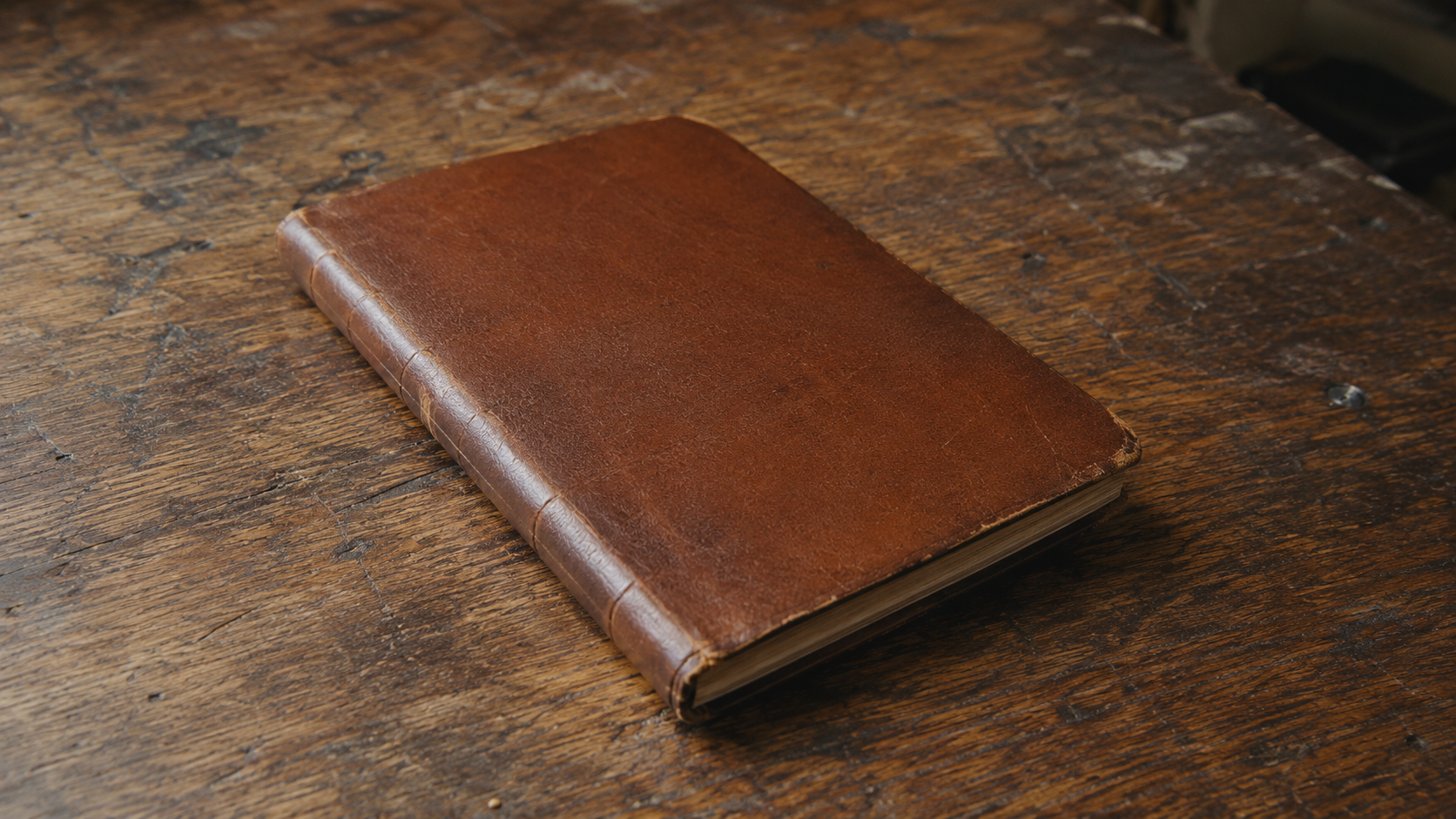
SPECIMEN IMAGE #16:9 - CLEAN OPTICS
Many AI-generated product and tabletop images fall into a repetitive visual pattern: flawless materials, perfect lighting, and surfaces that appear untouched by time. A blank leather notebook on a wooden desk may seem simple, but realism emerges from physical evidence rather than visual polish. The subtle wear of leather, the irregularity of wood grain, and the behavior of available light contribute more to believability than exaggerated detail ever could.
In this calibration breakdown, we examine the scene through five layers of reality: Subject, Environment, Physics, Time, and Camera. Each layer contributes observable evidence that helps transform a generic object rendering into something that feels photographed rather than generated. Yet the deeper lesson appears later in the calibration console itself, where language-level substitutions reveal why some prompts consistently produce more authentic results than others.
The lexicon shift process replaces aesthetic shortcuts with observational descriptions. Terms such as "perfect leather cover" are replaced by references to grain variation, edge wear, and uneven reflectivity. Likewise, vague phrases such as "cinematic lighting" become measurable physical conditions involving daylight direction, shadow density, and exposure behavior. These substitutions function as calibration metrics, guiding image synthesis toward material realism, optical plausibility, and documentary consistency rather than visual idealization.
Returning to the original notebook, the objective is not beauty but credibility. A convincing image records evidence of use, material history, and physical interaction with light. That philosophy forms the foundation of the ALPHA REALISM methodology. For creators seeking deeper control over realism calibration, material behavior, and lexicon engineering, the ALPHA REALISM Guide provides a structured framework for building images that feel observed rather than artificially optimized.
The 5 Layers of Reality Applied
Subject:
A blank leather notebook with a worn brown cover lies closed on a rustic wooden desk. No writing, embossing, labels, or decorative markings are visible. The leather shows natural grain variation, minor edge wear, subtle creasing near the spine, and slight differences in reflectivity across the surface.
Environment:
The desk surface consists of aged wood planks with visible grain direction, small scratches, shallow dents, uneven coloration, and accumulated dust in recessed areas. Ambient daylight enters from a nearby window, creating soft directional shadows, gradual luminance falloff, and mild highlight clipping on reflective leather areas.
Physics:
Gravity keeps the notebook resting naturally against the desk surface with slight contact shadowing around the edges. Diffuse reflections appear on smoother leather regions while rough wood fibers scatter light irregularly. Dust particles settle unevenly across the scene and micro-shadows form within wood texture recesses.
Time:
The notebook displays realistic signs of ownership through softened corners, light abrasion along frequently handled edges, subtle discoloration around the spine, and accumulated micro-scratches. The desk exhibits material aging, faded finish areas, minor surface wear, and embedded dust consistent with long-term everyday use.
Camera:
Documentary-style photograph captured with a consumer full-frame camera and 50mm equivalent lens at approximately f/4.5. Natural optical softness appears toward the frame edges. Fine sensor grain is visible in darker wood regions. Dynamic range remains moderate, preserving realistic shadow density and highlight behavior without artificial HDR flattening.
The Lexicon Shift Table
| Appearance (Dead Adjective) |
|
Living Event (Cause & Effect) |
| perfect leather cover |
➔ |
leather surface showing natural grain variation, edge wear, and uneven reflectivity |
| cinematic lighting |
➔ |
available daylight creating soft directional shadows and gradual exposure falloff |
| pristine wooden desk |
➔ |
aged wooden surface with scratches, dents, dust accumulation, and finish wear |
| ultra detailed texture |
➔ |
localized texture retention with realistic variation across leather and wood materials |
| perfect composition |
➔ |
observational tabletop framing with natural object placement and ordinary spatial balance |
Calibration Prompt Console
SUBJECT: A blank brown leather notebook resting closed on a rustic wooden desk, no writing, no logos, no embossing, natural leather grain, subtle spine creasing, softened corners, minor abrasion marks, realistic material aging. ENVIRONMENT: Aged wooden desk with visible grain patterns, scratches, shallow dents, faded finish, dust trapped in surface recesses, ordinary indoor workspace, non-staged arrangement, documentary realism. PHYSICS: Natural contact shadows beneath the notebook, diffuse leather reflections, irregular light scattering across wood fibers, physically plausible gravity behavior, subtle dust deposition. TIME: Signs of long-term use including edge wear, micro-scratches, slight discoloration, material fatigue, authentic surface aging without damage exaggeration. CAMERA: Documentary photography, 50mm equivalent lens, f/4.5, available daylight from side window, realistic highlight clipping, moderate dynamic range, mild edge softness, fine sensor grain, natural color response, no cinematic grading, no artificial HDR, observational realism, camera-grade photographic fidelity --ar 16:9
Do you want to generate precise AI images?
Unlock our alpha realism blueprint, physical reliable framework to get the best of your creations with the ALPHA REALISM Guide.
Download Ebook Now