← BACK TO DOSSIERS LIST
REALISM CASE FILE // TREND: CAPTURING RAW HUMAN EMOTION: CANDID PHOTOGRAPHY PROMPTS USING ALPHA REALISM
Camera-Grade Realism for Candid Conversations: A Film-Style Calibration Guide to Everyday Urban Photography
DATE: 2026-07-07
STATUS: CALIBRATED_REALISM
ENGINE: CHATGPT DALL-E 3
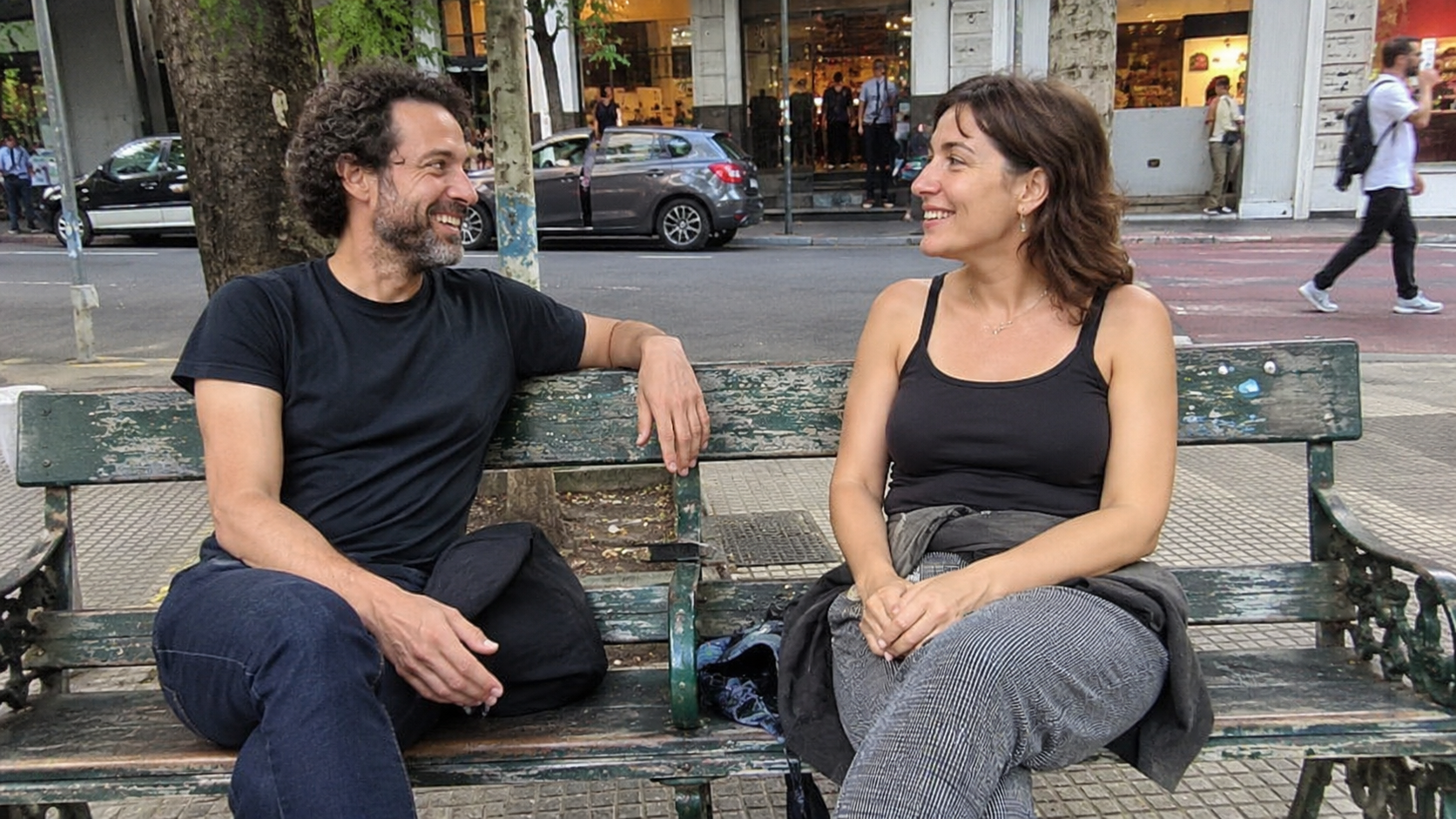
SPECIMEN IMAGE #16:9 - CLEAN OPTICS
Many AI-generated images still default to polished symmetry, exaggerated sharpness, and repetitive cinematic styling. Genuine documentary photography behaves differently because real cameras, environments, and people introduce inconsistency. A candid conversation on a city bench becomes believable through ordinary posture, uneven expressions, uncontrolled light, and subtle physical imperfections rather than visual perfection.
In the breakdown below, each physical layer explains how believable imagery emerges from observable reality instead of aesthetic shortcuts. The deeper lesson, however, is that camera-grade realism is not driven only by scene description. The most important improvements happen through language-level calibration, where seemingly small vocabulary substitutions fundamentally alter how an image model interprets materials, optics, lighting, and human behavior. Those shifts become fully visible in the calibration console presented at the end of the dossier.
Lexicon shifts replace abstract visual clichés with physically measurable observations. Expressions such as "perfect skin" become descriptions of pore visibility, tonal variation, and natural facial tension. "Cinematic lighting" becomes uncontrolled ambient daylight with uneven bounce illumination. Similar substitutions across composition, optics, material aging, and sensor behavior create measurable improvements because the prompt begins describing observable physical evidence instead of stylistic aspirations.
Returning to the original challenge, realistic imagery is achieved by describing how the world behaves rather than how it should look. If you want a complete calibration methodology for camera-grade prompting, explore the ALPHA REALISM framework and continue with the complete ALPHA REALISM Guide to build prompts around physical observation instead of repetitive AI aesthetics.
The 5 Layers of Reality Applied
Subject:
Two ordinary adults sit on a public city bench during an unscripted conversation. Their laughter emerges at slightly different moments, with naturally asynchronous facial expressions, relaxed posture, uneven shoulder height, casual hand gestures, subtle body-weight shifts, realistic clothing wrinkles from sitting, ordinary grooming, and small facial asymmetries preserved without beautification.
Environment:
A lived-in urban setting with weathered pavement, aging bench materials, scattered street furniture, subtle background clutter, irregular pedestrian spacing, natural available daylight, soft ambient bounce light from surrounding buildings, uneven shadow density, localized highlight clipping, mixed reflected light from nearby surfaces, and uncontrolled environmental complexity.
Physics:
Gravity compresses clothing against the bench while creating irregular fold patterns. A light breeze produces localized movement in loose fabric and hair rather than synchronized motion. Reflections from windows and pavement subtly influence exposure. Minor perspective distortion, realistic depth layering, and physically plausible human interaction remain visible without staged balance.
Time:
Slight wear appears on the bench, faded paint, accumulated dust, worn shoe soles, softened fabric from repeated use, minor wrinkles around eyes created by genuine laughter, subtle texture variation in skin, and ordinary urban aging visible throughout the environment instead of pristine surfaces.
Camera:
Documentary-style handheld smartphone capture using an approximately 26 mm equivalent lens, natural auto exposure, computational HDR with restrained tonal flattening, slight edge softness, mild chromatic aberration near high-contrast edges, modest sensor grain, JPEG compression, localized sharpening artifacts, realistic focus priority on the nearest faces, and natural handheld framing imperfections.
The Lexicon Shift Table
| Appearance (Dead Adjective) |
|
Living Event (Cause & Effect) |
| perfect skin |
➔ |
skin texture showing subtle pores, uneven tonal variation, and natural smile creases under available daylight |
| cinematic lighting |
➔ |
uncontrolled ambient daylight with soft reflected illumination and uneven shadow transitions |
| perfect composition |
➔ |
slightly unbalanced documentary framing with authentic spatial inefficiency |
| professional pose |
➔ |
unscripted conversational posture with relaxed body imbalance and spontaneous gestures |
| ultra sharp |
➔ |
realistic focus falloff with localized softness and smartphone edge limitations |
| luxury urban setting |
➔ |
ordinary public space with visible material wear, environmental clutter, and everyday city texture |
Calibration Prompt Console
Subject Layer: Two ordinary adults talking and laughing naturally while seated on a weathered public city bench, unscripted interaction, asynchronous smiles, relaxed posture, subtle facial asymmetry, realistic clothing wrinkles from seated compression, ordinary casual clothing, authentic body language, no editorial posing. Environment Layer: Everyday urban surroundings with worn pavement, aged bench surfaces, scattered street elements, background pedestrians at irregular spacing, environmental clutter, natural available daylight, uncontrolled reflections, mixed shadow density, realistic visual complexity. Physics Layer: Gravity-driven clothing deformation, subtle wind affecting loose hair and lightweight fabric, physically accurate reflections from nearby buildings, realistic perspective relationships, naturally distributed weight on the bench, spontaneous gestures with imperfect synchronization. Time Layer: Faded paint, accumulated dust, weathered materials, slight fabric wear, ordinary signs of use, realistic skin texture with natural expression lines, subtle environmental aging, authentic lived-in appearance. Camera Layer: Handheld smartphone documentary photograph, approximately 26 mm equivalent lens, computational HDR with restrained tonal flattening, mild JPEG compression, localized sharpening halos, slight edge softness, realistic sensor grain, natural auto white balance, imperfect autofocus priority, observational photography, no beautification, no cinematic grading, aspect ratio --ar 16:9
Do you want to generate precise AI images?
Unlock our alpha realism blueprint, physical reliable framework to get the best of your creations with the ALPHA REALISM Guide.
Download Ebook Now