← BACK TO DOSSIERS LIST
REALISM CASE FILE // TREND: PROMPTING AVAILABLE LIGHT IN GLOOMY WEATHER: OVERCAST DAY PHYSICS
Camera-Grade Rain: Photo-Realism Calibration for Gloomy Urban Street Photography
DATE: 2026-07-02
STATUS: CALIBRATED_REALISM
ENGINE: CHATGPT DALL-E 3
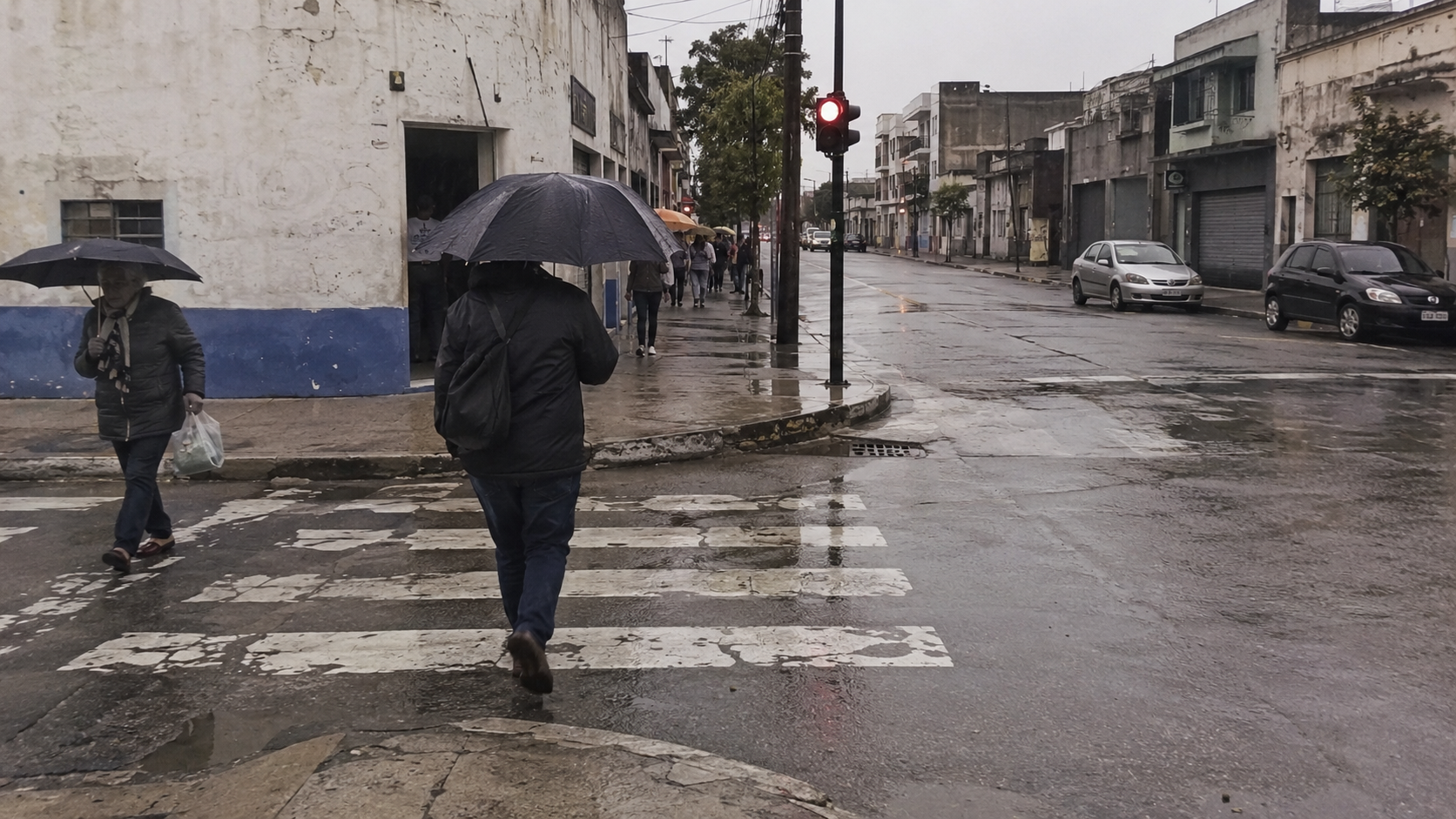
SPECIMEN IMAGE #16:9 - CLEAN OPTICS
Many AI-generated street scenes still repeat the same polished visual language: immaculate pavement, exaggerated reflections, dramatic contrast and perfectly balanced compositions. Real cities rarely behave that way. A believable rainy street is defined by uneven surfaces, muted light, accumulated wear and countless small physical inconsistencies that naturally emerge from weather, materials and uncontrolled human activity.
In the analysis below, we break the image into five reality layers: Subject, Environment, Physics, Time and Camera. Each layer contributes observable evidence instead of decorative adjectives. However, the largest improvement rarely comes from adding more descriptive words. The real breakthrough comes from replacing generic visual vocabulary with physically grounded language through deliberate lexicon shifts, summarized in the calibration console at the end of the dossier.
Lexicon shifts replace aesthetic shortcuts with measurable observations. Instead of requesting cinematic lighting, describe heavy overcast diffusion. Replace dramatic reflections with irregular water behavior governed by pavement texture. Exchange ultra sharp optics for realistic lens limitations, sensor processing and compression characteristics. This calibration approach increases physical plausibility by aligning prompts with environmental behavior, optical limitations and material aging rather than stylistic expectations.
Returning to the original problem, repetitive AI imagery becomes far more convincing once every layer reflects observable reality instead of visual clichés. If you want to build prompts through structured film-style calibration instead of aesthetic guesswork, explore ALPHA REALISM for its complete methodology, then continue advancing your workflow with the comprehensive ALPHA REALISM Guide.
The 5 Layers of Reality Applied
Subject:
An ordinary urban street observed during light rain, with pedestrians moving at different speeds, practical clothing showing natural dampness, relaxed body language, umbrellas held at uneven angles, and no staged interaction or idealized composition.
Environment:
Heavy grey cloud cover produces soft diffused daylight with minimal directional shadows. Wet asphalt reflects muted buildings, traffic lights and storefronts with broken, irregular reflections. Pavement shows patches of standing water, worn paint markings, accumulated grime and naturally aged materials.
Physics:
Rainwater follows pavement slope into shallow puddles. Reflections distort according to surface texture and ripple from light wind and footsteps. Moisture darkens concrete and asphalt unevenly. Gravity causes water accumulation near curbs while light breeze produces subtle umbrella movement and occasional clothing deformation.
Time:
Weathered sidewalks, faded crosswalk markings, chipped curbs, stained walls, worn road surfaces, accumulated dirt in pavement joints, moisture-darkened materials and subtle signs of long-term urban use reinforce a believable sense of age rather than pristine conditions.
Camera:
Documentary-style smartphone capture using an approximately 26mm equivalent lens, handheld perspective, soft edge sharpness, slight corner degradation, realistic HDR flattening, moderate sensor noise in darker regions, mild compression artifacts, imperfect autofocus consistency, restrained dynamic range and natural handheld framing.
The Lexicon Shift Table
| Appearance (Dead Adjective) |
|
Living Event (Cause & Effect) |
| cinematic rainy street |
➔ |
ordinary wet urban street under heavy overcast daylight with uncontrolled ambient illumination |
| dramatic reflections |
➔ |
irregular puddle reflections interrupted by pavement texture and small ripples |
| perfect composition |
➔ |
slightly unbalanced documentary framing with natural visual clutter |
| ultra sharp |
➔ |
localized sharpness with gentle edge softness and realistic handheld optics |
| photorealistic lighting |
➔ |
soft diffused cloud-filtered daylight with low contrast and muted highlights |
| clean streets |
➔ |
weathered pavement showing grime, worn paint, drainage stains and accumulated urban wear |
| mirror-like reflections |
➔ |
broken reflections distorted by uneven asphalt texture and shallow moving water |
| high dynamic range |
➔ |
limited smartphone dynamic range with restrained highlight recovery and flattened midtones |
Calibration Prompt Console
Subject Layer: ordinary urban street during a gloomy rainy day, pedestrians behaving naturally, umbrellas at different angles, practical clothing showing slight moisture, candid documentary atmosphere, no staged poses. Environment Layer: wet asphalt, worn sidewalks, faded lane markings, shallow puddles, aged buildings, overcast grey sky, soft diffused daylight, environmental clutter, muted color palette, realistic urban wear. Physics Layer: gravity-driven water flow along pavement, puddle ripples from footsteps and light wind, irregular reflections, moisture-darkened concrete, physically plausible wet surfaces, subtle atmospheric humidity. Time Layer: chipped paint, stained curbs, worn textures, accumulated grime, faded signage, long-term weather exposure, realistic material fatigue. Camera Layer: handheld smartphone photograph, approximately 26mm equivalent lens, edge softness, slight barrel distortion, mild HDR flattening, restrained dynamic range, moderate sensor grain, subtle compression artifacts, imperfect autofocus, realistic optical limitations, documentary realism, observational photography --ar 16:9
Do you want to generate precise AI images?
Unlock our alpha realism blueprint, physical reliable framework to get the best of your creations with the ALPHA REALISM Guide.
Download Ebook Now