← BACK TO DOSSIERS LIST
REALISM CASE FILE // TREND: THE MICRO-CONTRAST CALIBRATION GUIDE FOR DIGITAL CREATORS
Photo-Realism Calibration for Weathered Stone Walls: Building Camera-Grade Texture Through Physical Language
DATE: 2026-06-30
STATUS: CALIBRATED_REALISM
ENGINE: CHATGPT DALL-E 3
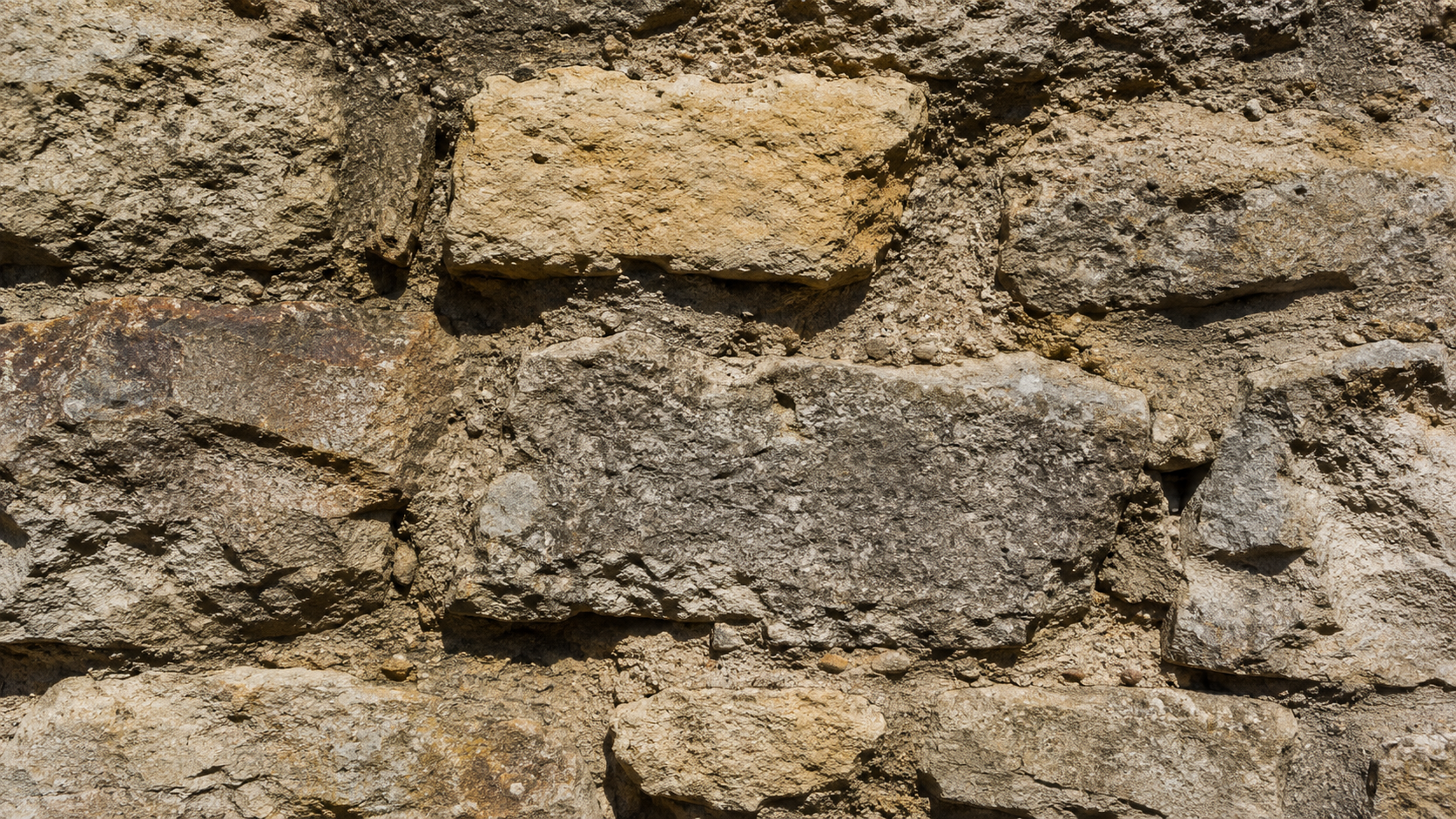
SPECIMEN IMAGE #16:9 - CLEAN OPTICS
Artificial image generation often defaults to polished stone textures with repetitive patterns, exaggerated sharpness, and synthetic surface uniformity. Real masonry behaves differently because decades of weathering create localized erosion, inconsistent mineral exposure, irregular fractures, and micro-contrast that emerges from physical processes instead of digital enhancement. Camera-grade realism begins by describing those physical behaviors rather than asking for more detail.
In the sections above, each layer isolates a different component of observable reality, from material structure to lighting, physics, aging, and camera behavior. Together they form a film-style calibration model that replaces generic visual adjectives with measurable observations. However, the most important transformation happens at the language level, where subtle vocabulary changes reshape how an image model interprets reality. The calibration console and lexicon shift table reveal why those wording changes consistently produce more believable photographic results.
Lexicon shifts replace broad aesthetic requests with physically descriptive language. Expressions such as "hyper realistic" or "ultra sharp" are substituted with observations tied to measurable optical behavior, material response, environmental aging, and authentic camera rendering. This calibration reduces synthetic repetition while improving texture credibility, shadow behavior, highlight roll-off, and material authenticity because the prompt is grounded in physical evidence rather than stylistic amplification.
The same principle that exposes repetitive AI aesthetics also provides a repeatable workflow for generating more convincing documentary imagery. When language is calibrated around observable physics instead of visual hype, realism becomes a consequence rather than an effect. For creators who want a structured methodology, the ALPHA REALISM guide expands these film-style calibration techniques into a complete workflow, and additional examples, calibration tables, and practical prompt engineering resources are available through ALPHA REALISM.
The 5 Layers of Reality Applied
Subject:
A close-up view of an aged stone wall composed of irregular masonry blocks with chipped edges, shallow fractures, mineral inclusions, rough granular surfaces, localized erosion, subtle color variation between stones, accumulated dust inside recessed joints, and uneven micro-contrast caused by natural weathering rather than digital enhancement.
Environment:
Direct midday sunlight strikes the wall at a slight angle, producing short hard-edged shadows inside cracks and mortar lines. Bright mineral grains create localized specular reflections while recessed cavities remain darker due to self-shadowing. Small tonal shifts appear across neighboring stones because of uneven weather exposure.
Physics:
Gravity has retained fine dust inside crevices while rainfall has produced faint mineral streaks and localized discoloration. Differential thermal expansion has generated irregular surface fractures. Windborne particles have softened exposed edges over time while rough aggregates continue scattering sunlight with non-uniform reflectance.
Time:
Visible aging includes rounded corners, chipped fragments, faded mineral pigmentation, subtle lichen traces, accumulated airborne dust, erosion around mortar joints, slight surface pitting, and decades of gradual environmental fatigue with no evidence of recent restoration.
Camera:
Simulated full-frame camera using a 100mm macro lens at f/8, ISO 100, 1/320 s, daylight white balance, high optical resolving power with realistic edge falloff, natural lens micro-contrast, minimal sensor noise, restrained sharpening, physically plausible highlight roll-off, and authentic texture retention without artificial clarity enhancement.
The Lexicon Shift Table
| Appearance (Dead Adjective) |
|
Living Event (Cause & Effect) |
| highly detailed stone wall |
➔ |
weathered stone surface with naturally uneven mineral texture and localized erosion |
| perfect texture |
➔ |
irregular granular texture shaped by decades of environmental wear |
| cinematic lighting |
➔ |
direct midday sunlight producing short natural shadows and realistic highlight clipping |
| ultra sharp |
➔ |
optically resolved micro-contrast with realistic edge falloff |
| hyper realistic |
➔ |
physically consistent material response under direct daylight |
| photorealistic |
➔ |
camera-observed documentary material behavior |
| perfect composition |
➔ |
observational close-up emphasizing authentic surface variation |
| extremely detailed cracks |
➔ |
naturally occurring fractures with irregular depth and accumulated dust |
Calibration Prompt Console
Subject Layer: close-up documentary photograph of a naturally weathered stone wall composed of irregular masonry blocks with chipped edges, granular mineral inclusions, rough fractured surfaces, recessed mortar joints filled with fine dust, subtle color variation, localized erosion, authentic material aging, no decorative styling. Environment Layer: direct midday sunlight illuminating the wall from a slight angle, hard-edged self-shadowing inside cracks, uneven illumination caused by surface relief, natural ambient bounce, physically plausible highlight clipping. Physics Layer: accumulated airborne dust trapped by gravity, mineral staining from repeated rainfall, rounded edges from long-term erosion, non-uniform reflectance across exposed aggregates, realistic scattering from rough stone surfaces. Time Layer: decades of environmental fatigue including faded pigmentation, chipped corners, shallow pits, worn mortar, subtle lichen traces, accumulated weathering without restoration. Camera Layer: full-frame camera, 100mm macro lens, f/8, ISO 100, 1/320 second, daylight white balance, restrained sharpening, realistic optical micro-contrast, authentic lens rendering, natural edge falloff, physically plausible dynamic range, documentary realism, no CGI appearance, no exaggerated HDR, no artificial clarity, aspect ratio --ar 16:9
Do you want to generate precise AI images?
Unlock our alpha realism blueprint, physical reliable framework to get the best of your creations with the ALPHA REALISM Guide.
Download Ebook Now